


Meeting/Event Information
ASHRAE Golden Gate Chapter May Meeting

May 21, 2020
12:00 PM - 1:00 PM
Add to Calendar
Goto Meeting
Link will be shared to people who have registered, a day before the meeting and again an hour before the meeting.
Directions
ASHRAE’s Response to Covid-19
| Agenda | 12:00pm | Sign-in, Announcements and Introductions | ||
| 12:20pm | Presentations |
| Speaker(s) |
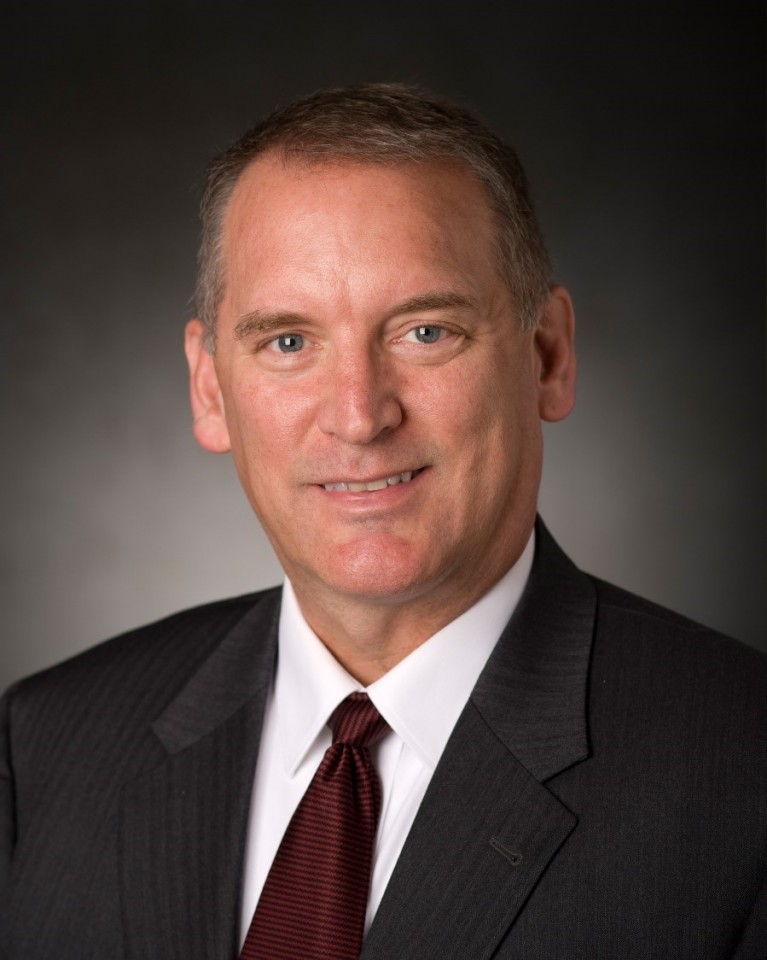
William P. Bahnfleth, PhD, PE, FASHRAE, FASME, FISIAQ
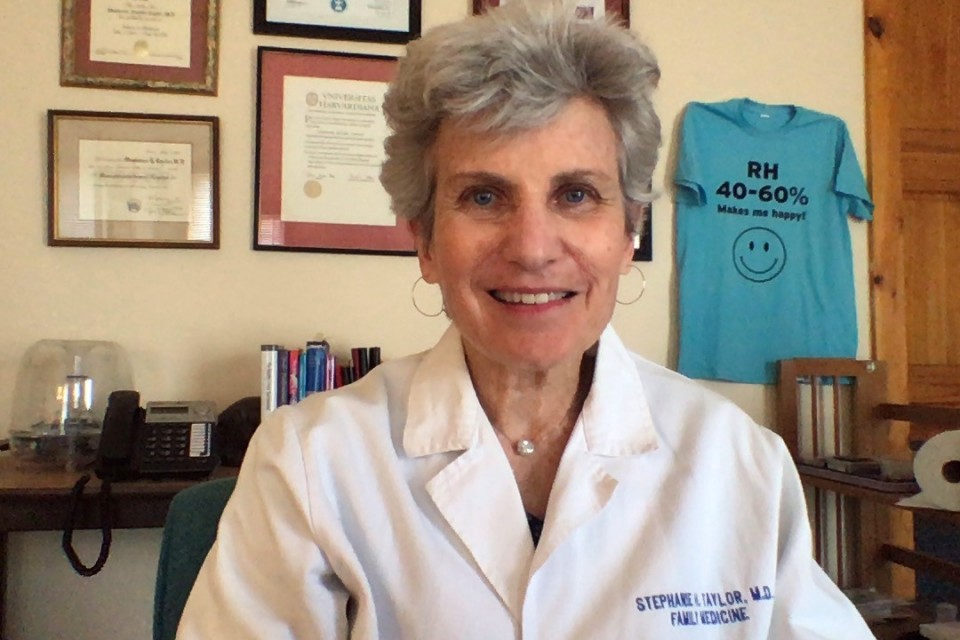
William Bahnfleth is a professor of architectural engineering at The Pennsylvania State University. He holds a PhD in Mechanical Engineering from the University of Illinois of Illinois at Urbana-Champaign and is a Registered Professional Engineer. Prior to his employment at Penn State, he was a Senior Consultant for ZBA, Inc, and a Principal Investigator at the U.S. Army Construction Engineering Research Laboratory. At Penn State, Dr. Bahnfleth teaches undergraduate courses in HVAC fundamentals and design and graduate courses in district energy systems and indoor air quality. His research interests include chilled water systems, thermal energy storage, indoor air quality, and ultraviolet germicidal irradiation, He is the author or co-author of over 170 technical articles and 14 books and book chapters. Dr. Bahnfleth is a fellow of ASHRAE, the American Society of Mechanical Engineers, and the International Society for Indoor Air Quality and Climate. He is the recipient of an ASHRAE 1st Place Technology Award, the ASHRAE Exceptional Service Award, Louise and Bill Holladay Distinguished Fellow Award, E.K. Campbell Award of Merit, and the F. Paul Anderson Award as well as the Penn State Engineering Alumni Society’s World-Class Engineering Faculty Award. He has served ASHRAE in many capacities including student branch advisor, Technical Committee chair, and 2013-2014 Society President. His current positions include chair of the ASHRAE Epidemic Task Force. Stephanie H. Taylor MD, M Architecture, CIC, FRSPH(UK), MCABE
Dr. Stephanie Taylor graduated from Harvard Medical School in Boston, Massachusetts, and practiced pediatric oncology and did research in cellular growth mechanisms for several decades. Alarmed by the high number of patients acquiring infections during their in-patient treatment, she became concerned that the hospital built-environment might play a role in patient outcomes. Realizing that she knew little about the design and management of buildings and mechanical systems, she returned to school in 2005 to obtain a Master’s degree in Architecture. Dr. Taylor now works as an international consultant and research leader to better understand how the design and operation of hospitals, offices, schools and all occupied buildings can help people thrive, not merely survive. She has published in Nature, Science and other peer reviewed journals, is a Distinguished Lecturer for ASHRAE and a columnist for Engineered Systems magazine. She received the "Women To Watch in the HVAC Industry" award in 2019. She is also a member of the ASHRAE Environmental Health Committee and the newly formed ASHRAE Epidemic Task Group. |
|
| Presentation Summary |
William P. Banfleth’s Presentation Summary The COVID-19 pandemic has raised numerous questions related to built environments that ASHRAE can and must help to answer. How can the capacity of medical facilities be expanded to handle the surge of acute COVID-19 cases? How can the homes of infected persons be made safe for their uninfected family members? How can schools, offices, and stores be operated to make them safe for re-occupancy? In response to the pandemic, an Epidemic Task Force was formed to coordinate ASHRAE’s response to these and other issues. This presentation will give an overview of the task force, including its structure, objectives and scope, accomplishments to date, and plans for the future. Dr. Stephanie Taylor’s Presentation Summary We are currently living with tremendous uncertainty brought about by a mutated virus of the familiar Coronavirus family. Many unanswered questions about COVID-19 disease transmission, mortality rates and our own immune response have resulted in fear, confusion and a sense of helplessness in many of us. Thankfully, we have a solid foundation of scientific data from studies in microbiology, medicine and the indoor environment that can guide our management of buildings so that they are true shelters. Dr. Taylor will present studies on building interventions that optimize the health of human occupants and decrease the threat of microbia pathogens such as COVID-19. Communication between medical and building professionals, such as in this webinar, along with your input will help us fight back and regain our footing. Attend this webinar to learn about the power of the indoor environment to keep us safe and healthy. |
Tickets
$20.00 Chapter member Suggested Donation
$30.00 Non-member Suggested Donation
$0.00 Unable to donate at this time - But would still like to attend
